Learn How to Stop Stuttering
and Speak with Ease
Twenty-five years of experience in treating adults and teens who stutter
Discover a step-by-step fluency program designed to reduce stuttering naturally and permanently.
How to stop stuttering permanently with a new treatment approach that will help you speak more fluently
Replace your stuttering with a new way of talking.
At-home exercises to stop stuttering that make talking and speaking easier and more natural.
It doesn't matter how old you are or how much you've struggled you can stop stuttering now.

It doesn't have to take years of struggling on your own to stop stuttering!
Personalized Zoom sessions with Mark power, stuttering specialist, who stuttered himself for 30 years and has recovered
Find out if you're a candidate for Stuttering Treatment
No commitment. Get personalized guidance in minutes.
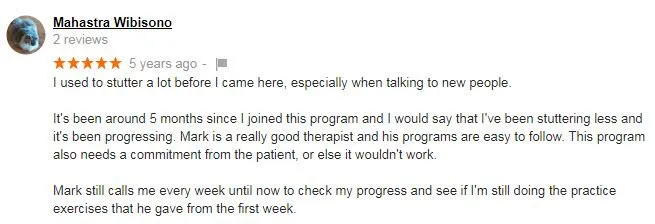
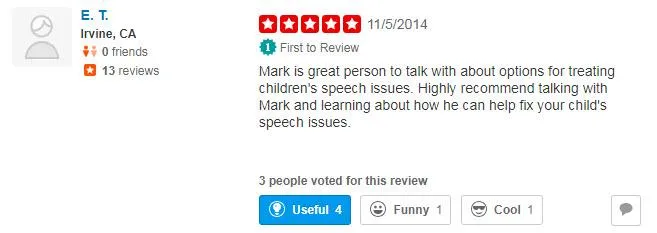
Because Our Clients Are Our Best Advertisers



Ready to Start Speaking Smoothly and Confidently?
No commitment. Get personalized guidance in minutes.

About Me...
I used to stutter severely for 35 years. Today, I learned to stop stuttering after 30 years!
Mark has been treating people who stutter for the past 25 years. The American Speech-Language-Hearing Association awarded him the Board Certification in Fluency Disorders (BCS-F) in 2001.
Not only am I a Board Certified Stuttering Specialist in Fluency. I limit my therapy practice to treating only teens and adults who stutter.
This is what I LIVE & BREATHE.
Let me help you today!
Mark Power, M.A. CCC BCS-F
Board Certified Stuttering Specialist
Power Stuttering Therapy
1. Teenagers
✓Are you a teenager who stutters or hesitates when you speak? If you have repetitions in your speech or find yourself getting stuck on certain sounds, know that you are not alone. Stuttering can be a challenge that affects our self-confidence and our ability to communicate effectively.
✓My mission is to help restore your belief in your abilities and to help you communicate with confidence and fluency.
2. Adults
✓There are only a few researched evidence-based stuttering treatment programs available to adults and teens.
During the Stutter-Free Speech Treatment Program you learn a new way of talking to replace all of your stuttering.
©Power Stuttering | Privacy Policy